
Functional Movement Profiling


Detailed, movement-specific assessments.
Small equipment form factor for ease & mobility.
Effortless setup and calibration.
Automatic analysis with no need for specialized staff.
No special attire required to perform assessments.
Objective and repeatable measurements.
Detailed, movement-specific assessments.
Small equipment form factor for ease & mobility.
Effortless setup and calibration.
Automatic analysis with no need for specialized staff.
No special attire required to perform assessments.
Objective and repeatable measurements.
Detailed, movement-specific assessments.
Small equipment form factor for ease & mobility.
Effortless setup and calibration.
Automatic analysis with no need for specialized staff.
No special attire required to perform assessments.
Objective and repeatable measurements.

Trusted By


At Sanford, researchers explored how Theia3D could be used to study movement patterns across biomechanical research cohorts. The workflow enabled comprehensive data collection, reducing processing time by over 66% compared to traditional marker-based motion capture.
Key Applications


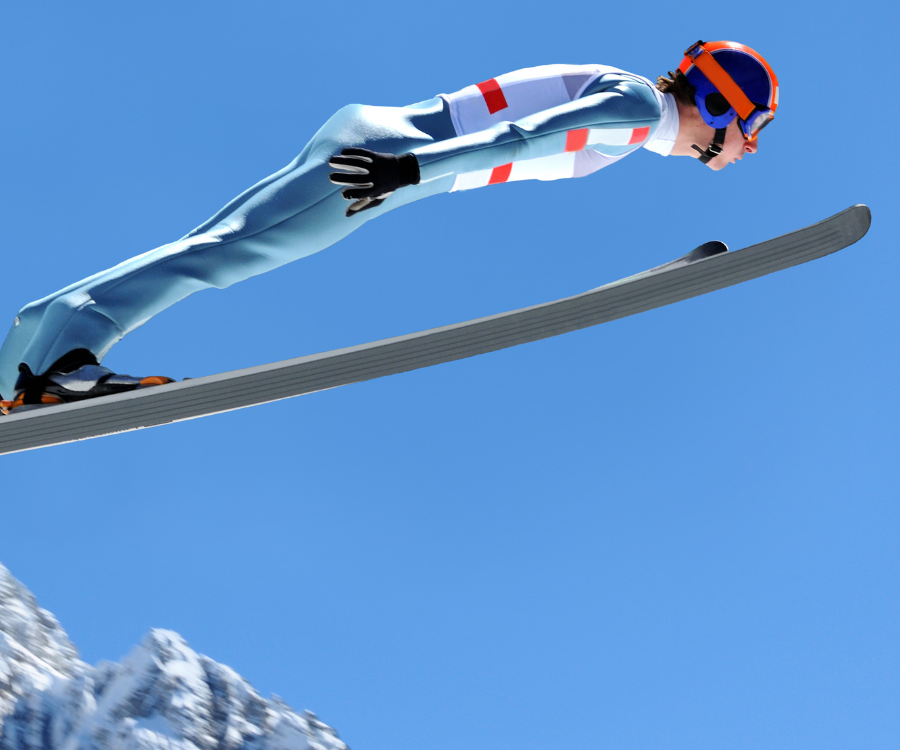
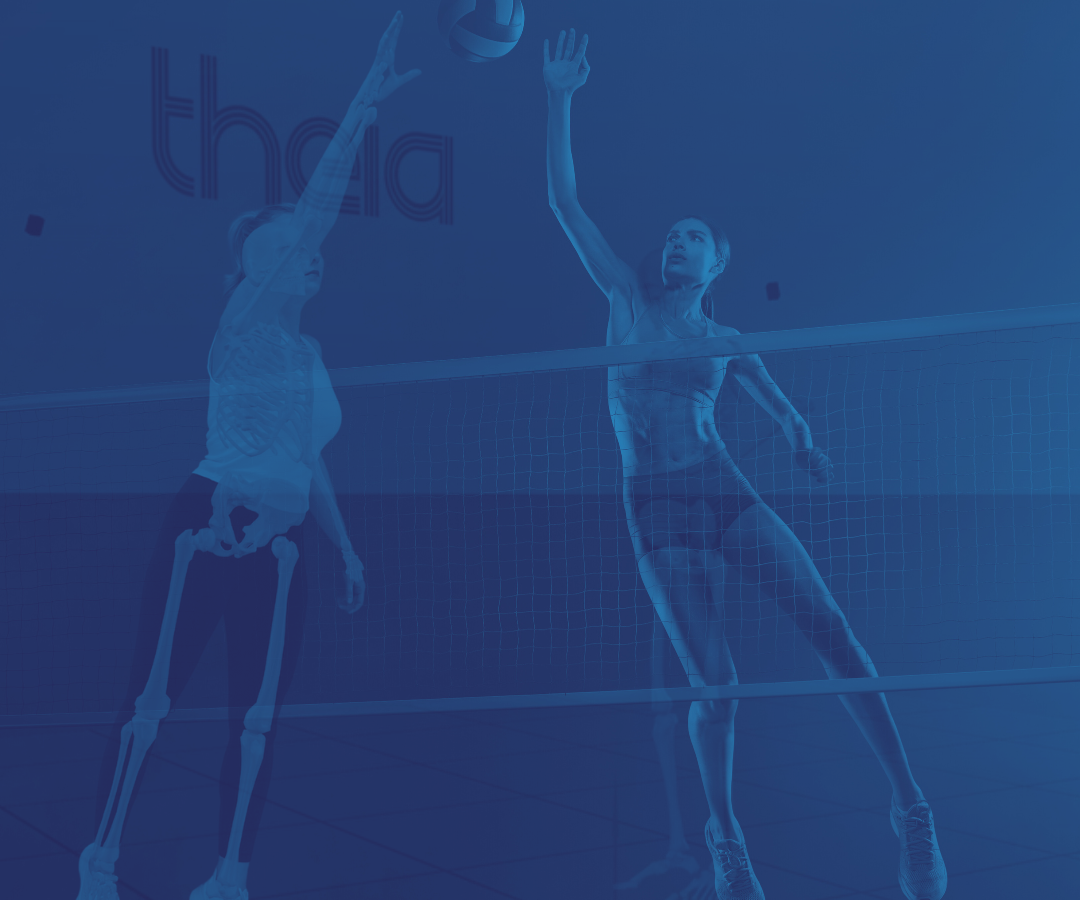
Movement Analysis for Performance
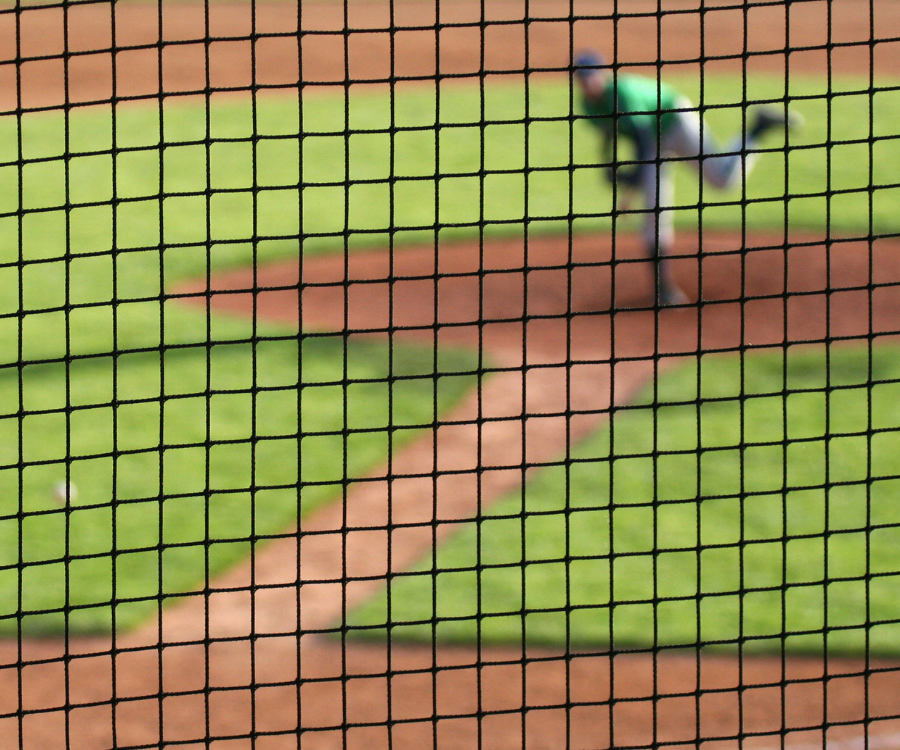
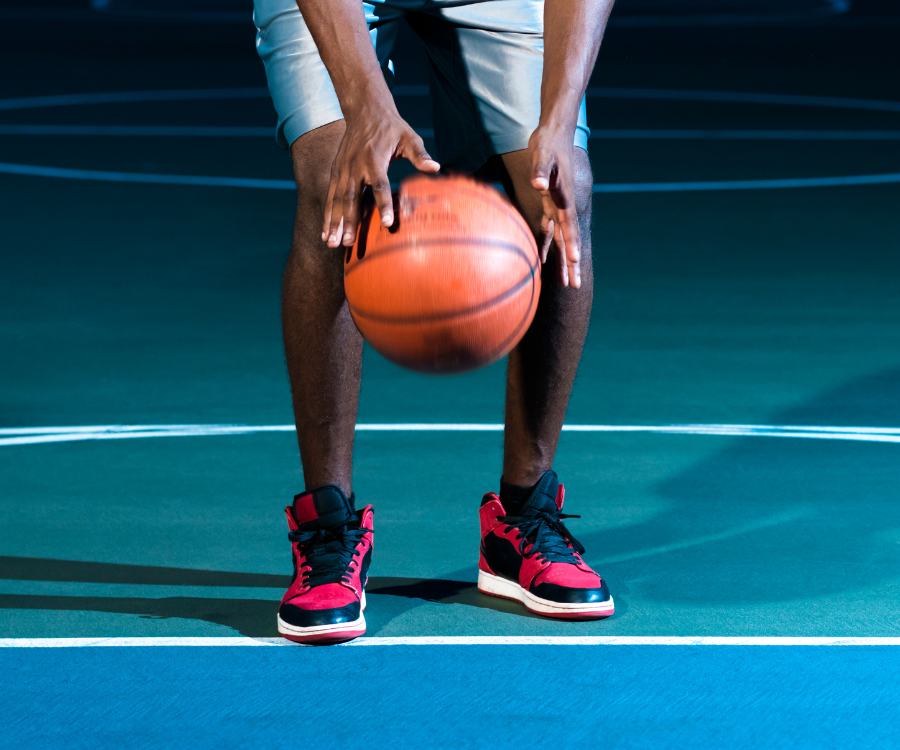
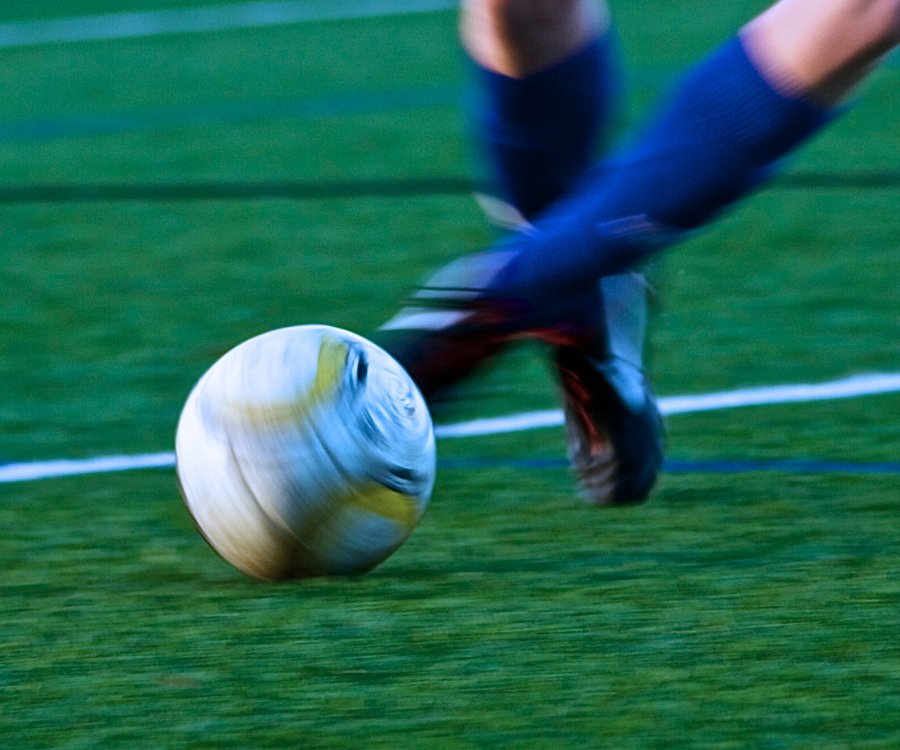
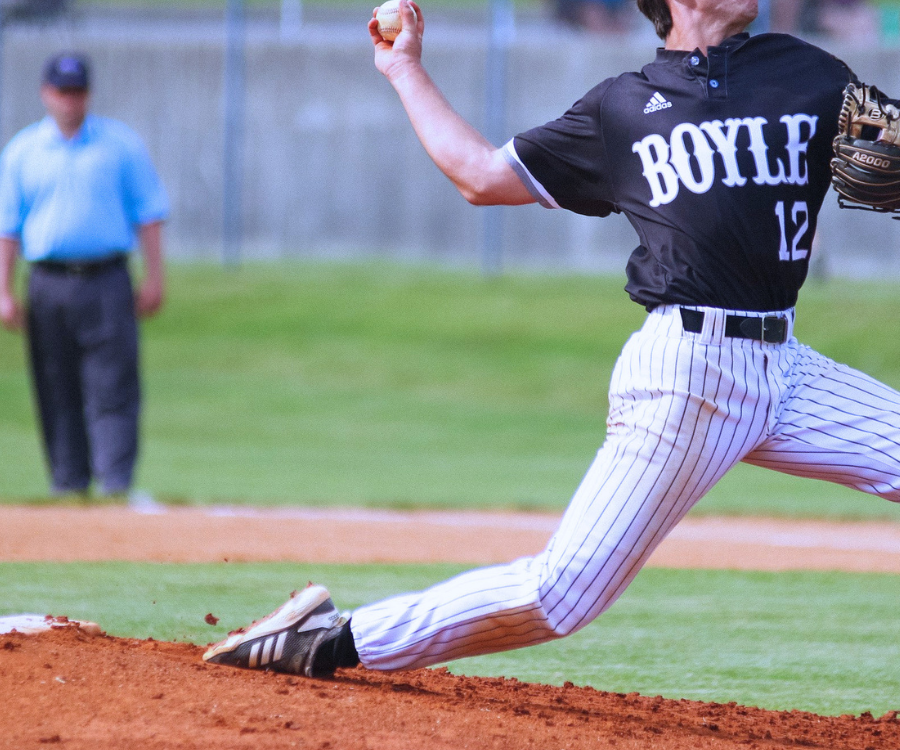
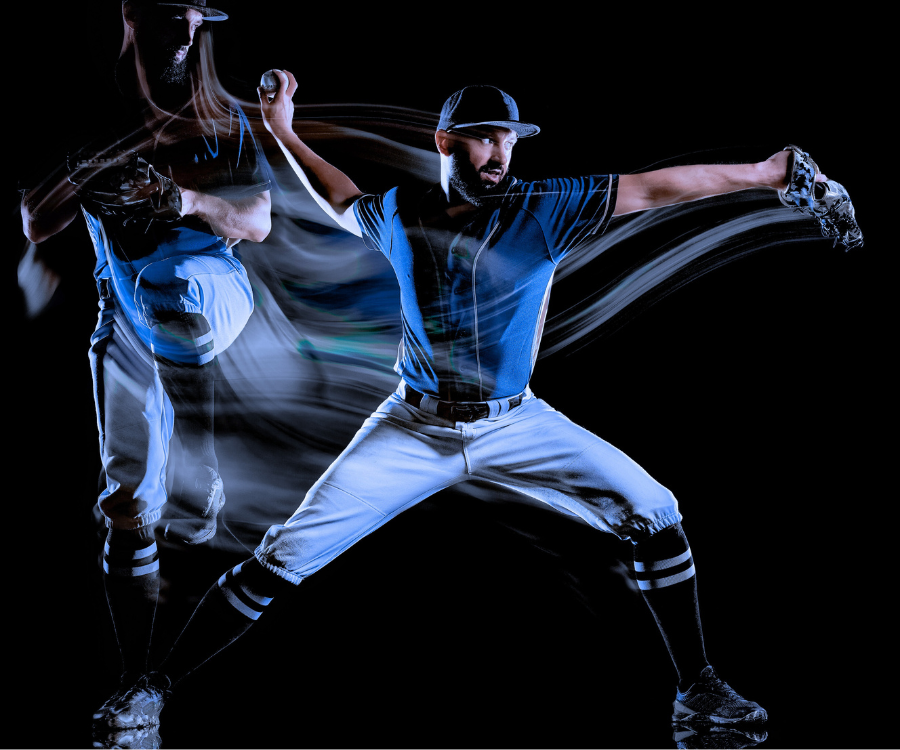
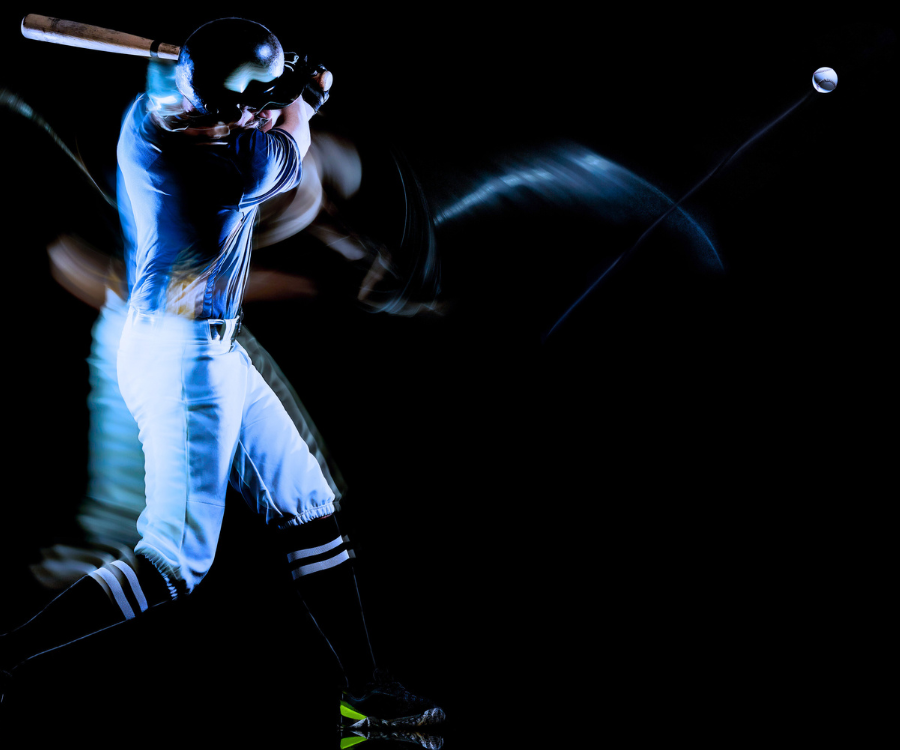
Analyze movement patterns across athlete populations to establish baseline biomechanics and examine changes across training phases. Use standardized movement analysis to compare mechanics over time and support data-informed performance discussions. Objective biomechanical data provides deeper insight into how athletes move during training and competition.


Cognitive Assessment
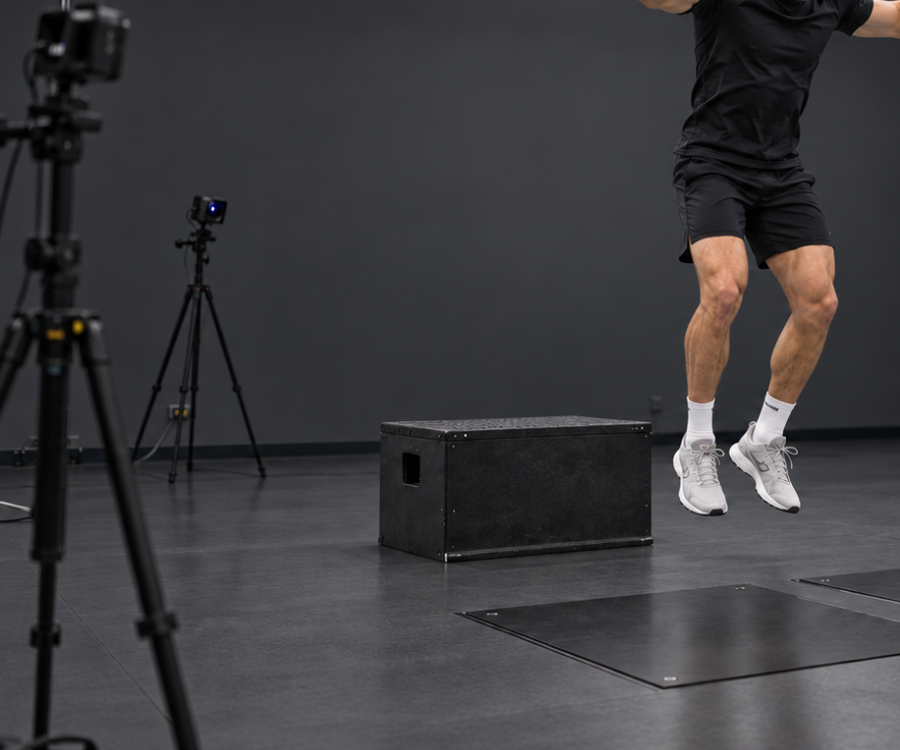
Capture and analyze movement data across research cohorts to support longitudinal biomechanical comparisons. Use 3D motion analysis to profile neuromechanical movement characteristics and generate objective, repeatable datasets for researchers studying motor control and movement variability.


Functional Movement Profiling
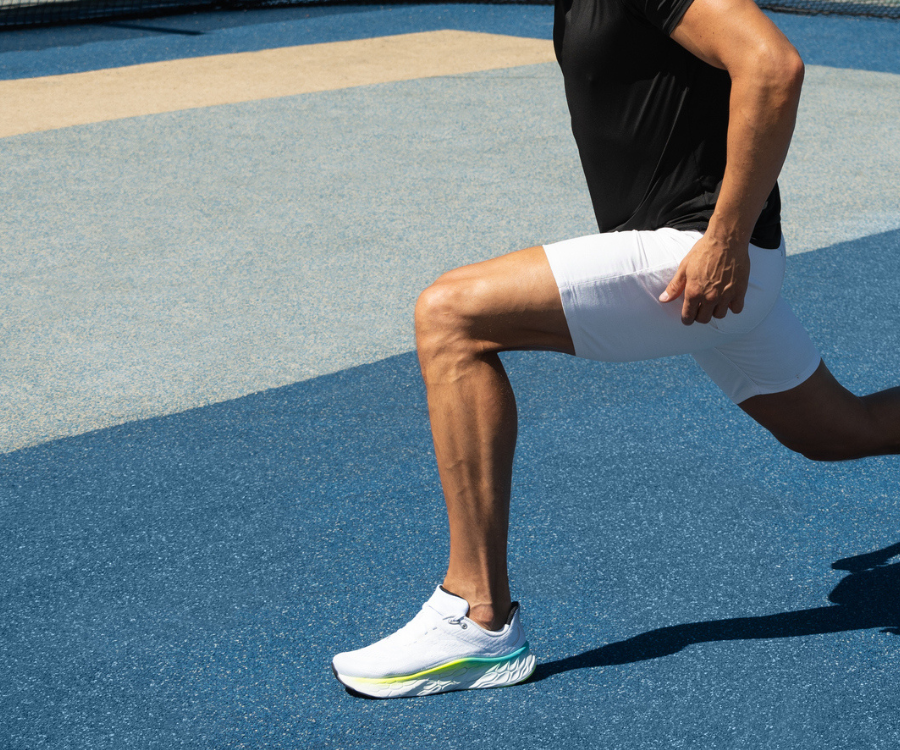
Track biomechanical change over time using high-fidelity, repeatable motion data. Compare movement profiles across measurement sessions to support evidence-based performance discussions, and use objective data to inform training progressions.
Why Theia?

Precision motion tracking
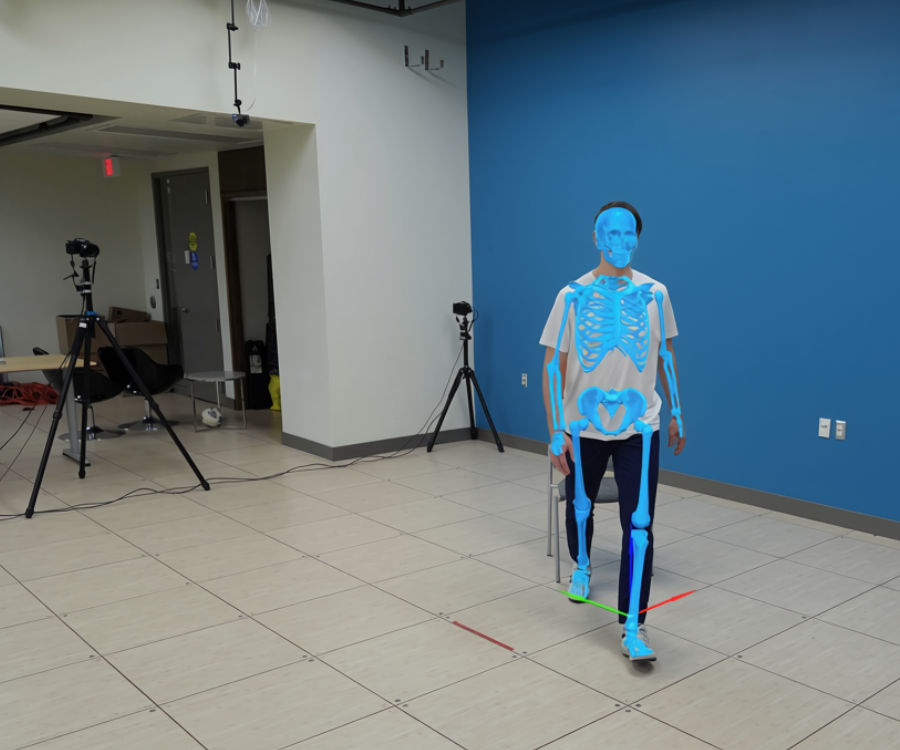
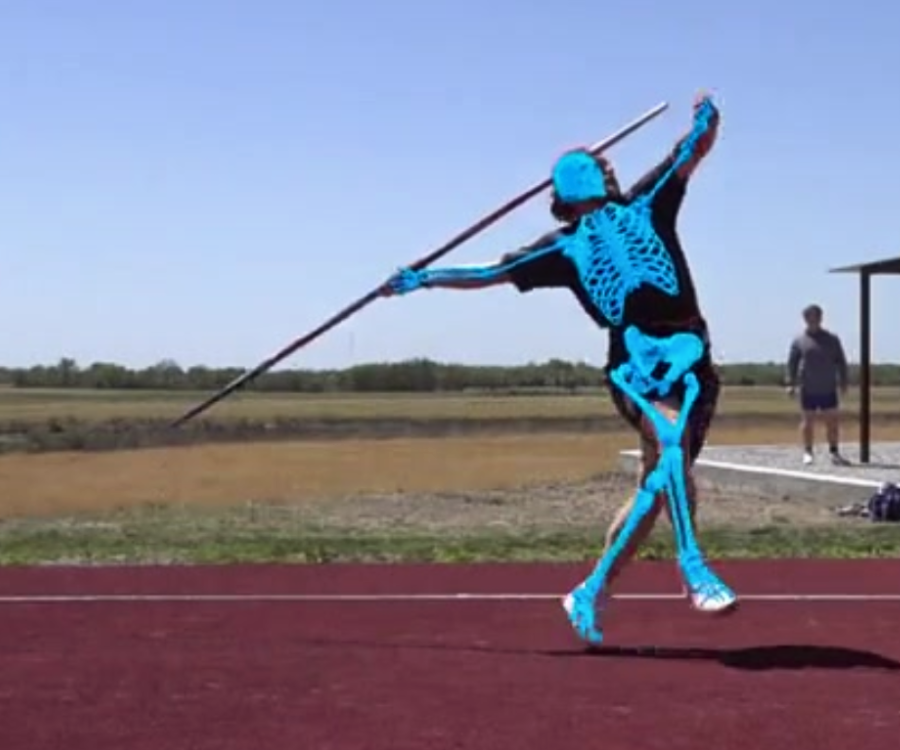
We use advanced deep learning techniques and inverse kinematics to fully solve the 3D pose of skeletal segments precisely (<1cm, 3°) without the need for instrumentation. Ideal for researchers and professionals seeking precise human motion tracking and analysis capabilities. Explore a complete list of validation articles citing Theia3D.

Versatile hardware compatibility
Theia3D seamlessly integrates with various hardware systems and camera solutions, enabling you to choose the equipment that best fits your needs and eliminating the need to continually invest in the ‘latest equipment’.

Customized setup solutions
Collaborating with our diverse partner network, we curate tailored software packages to match your unique use case and requirements, ensuring optimal performance and efficiency.

Supreme accuracy guaranteed
Harnessing advanced deep-learning algorithms, we deliver unparalleled accuracy in generating 3D multi-body models, ensuring consistency and reliability for seamless analysis and reporting.

Best-in-class onboarding & support
Our simplified onboarding will enable you to become a Theia expert within a matter of hours. Our dedicated support team is available to guide you every step of the way.

Streamlined usability & flexible integration
We make it easy for researchers, performance staff, retail teams, gym owners, and other users to operate the system, eliminating the need for specialized personnel or extensive training.

Data-centric and adaptive solution
Your data stays compatible with all software updates, ensuring continuity and supporting future R&D advancements.

Data sovereignty assurance
Your data ownership is a top priority. With our commitment to privacy and security, be assured that as an offline software solution, we never access any of your sensitive data, ensuring your confidentiality.
How It Works
Calibrate
Use a standard wand or your proprietary Theia3D calibration board (shipped at purchase) for flawless and fully automatic motion capture setup. This minimizes errors and optimizes data collection, ensuring top-tier accuracy.
Record
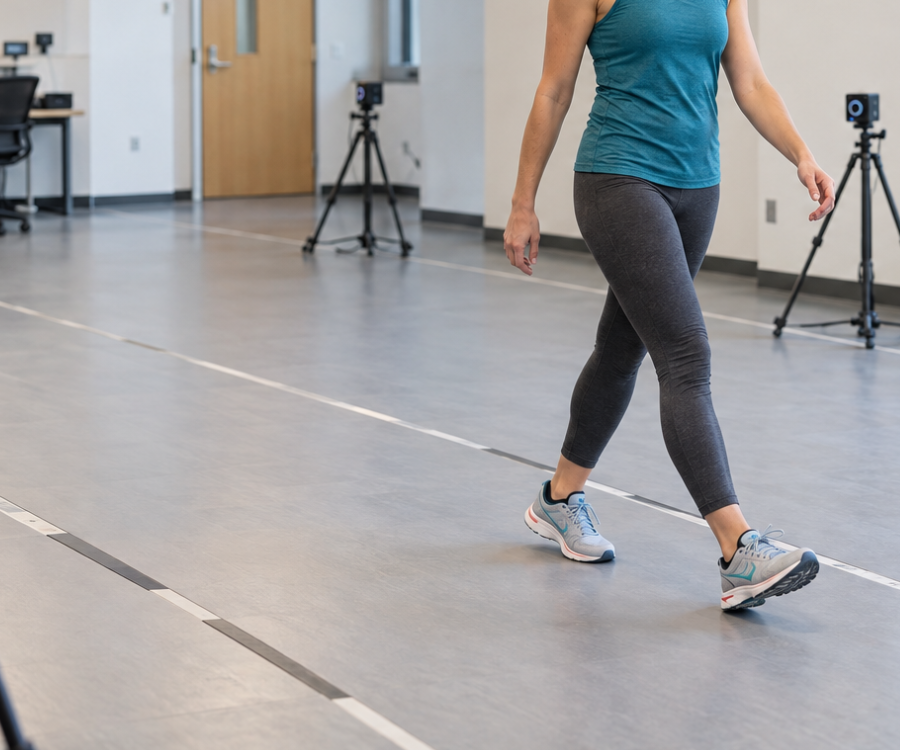
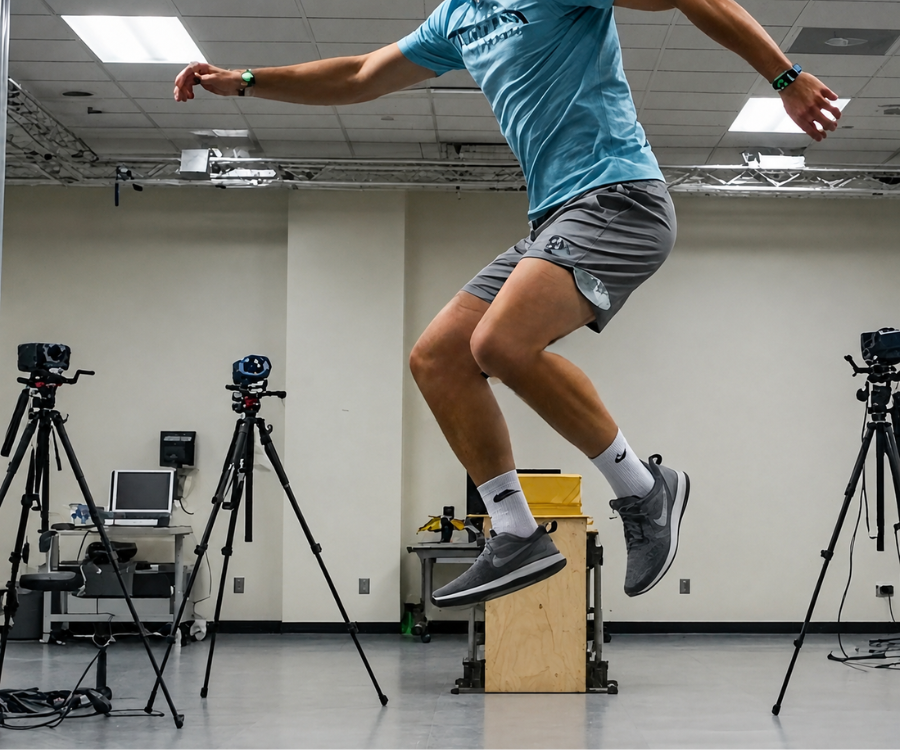
Capture multi-camera video in your environment with subjects wearing their everyday clothing. No preparation or spandex suits required. Allow natural movement in the environments that matter.
Analyze
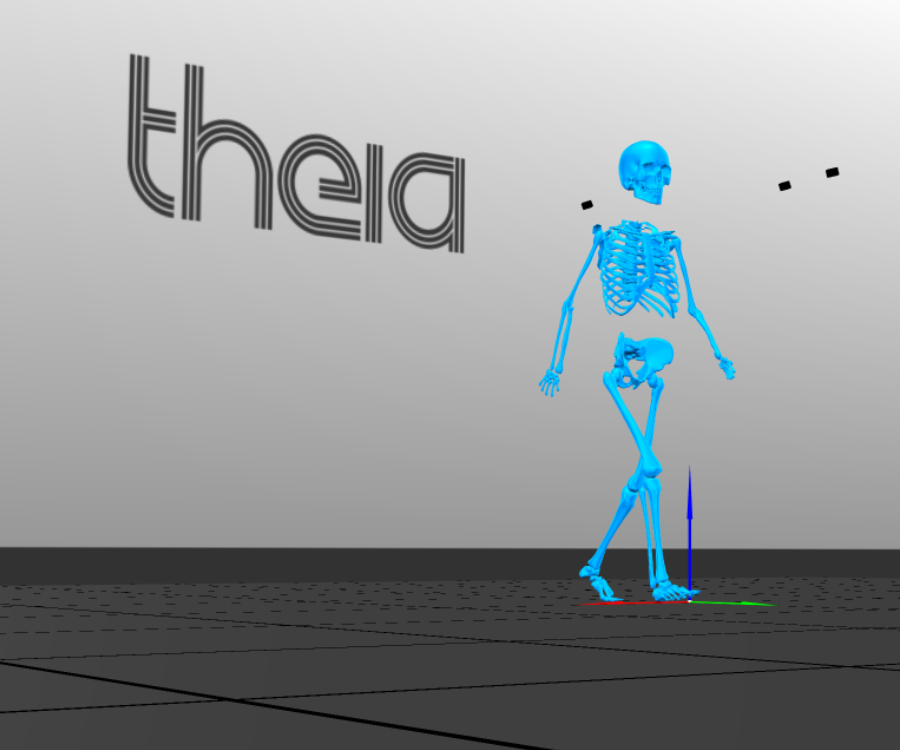
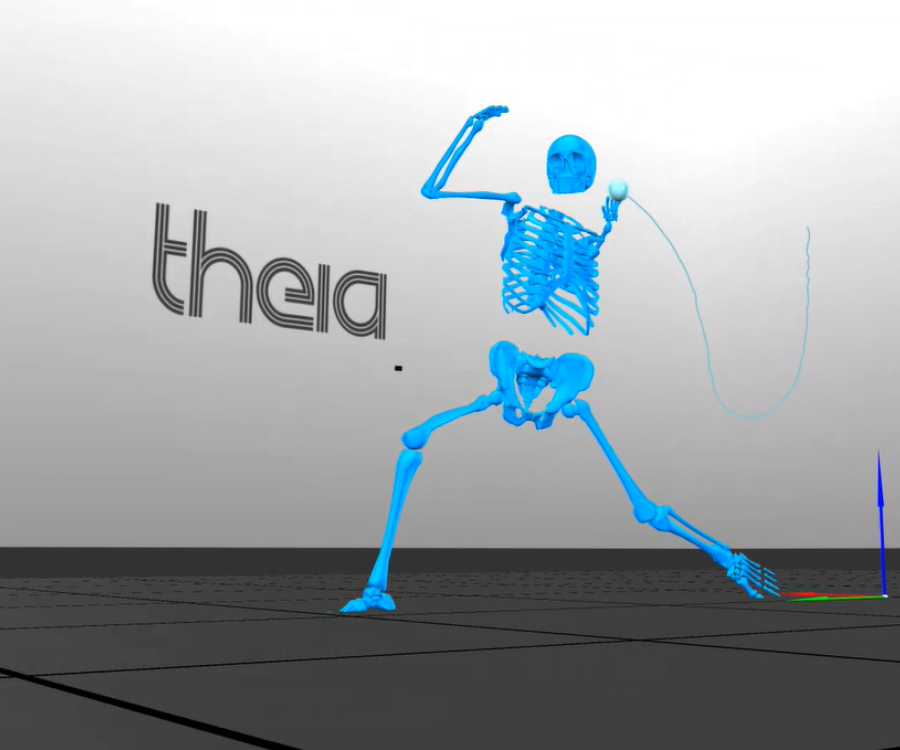
Leverage Theia3D's motion capture technology to track 124 keypoints for precise 3D skeletal models. Designed for Functional Movement, Sports Performance, Athletic Apparel & Equipment Innovation, Biomechanics Research, and Custom Commercial Solutions. Load videos and calibration files into Theia3D for automatic motion measurement and analysis. Export data in multiple formats, including .c3d files, allowing seamless review and reporting of key metrics.
Resources
.png)



























Frequently
Asked Questions
Absolutely. As long as your native camera system can sync input signals from these devices, you can merge them with Theia3D’s C3D file, ensuring comprehensive data analysis.
Theia3D will analyze any movement so long as there is sufficient visibility of the participant or athlete. This means you can use a predetermined set of tasks from literature or pick and choose which tasks you would like to include in the movement assessment!
Theia3D analyzes all video data locally so you don’t have to worry about participant or athlete data being shared with us or a cloud provider. After downloading the software from our web portal you won’t need internet connectivity again. You can analyze videos, export the data, and share reports with collaborators or research teams while respecting applicable privacy and data-sharing requirements.
Theia takes validation very seriously. We maintain an extensive repository of peer-reviewed validation studies conducted across a wide range of research populations, including diverse age groups, activity levels, and movement conditions. You can visit our blog or reach out to us here for our full research compendium.
Theia supports an open-reporting infrastructure whereby users can leverage existing software packages such as Visual3D, R, Python, Matlab, Excel, Nexus and QTM for reporting purposes. If you have specific questions about what types of reports our partners provide, please feel free to reach out to us here.
Experience Theia3D
Schedule a demo today to see the future of motion capture technology and discover how Theia can transform your 3D motion analysis, research and performance analysis.