New Research: Identification and Classification of Kinematically Effective Early Flight Postures in Ski Jumping
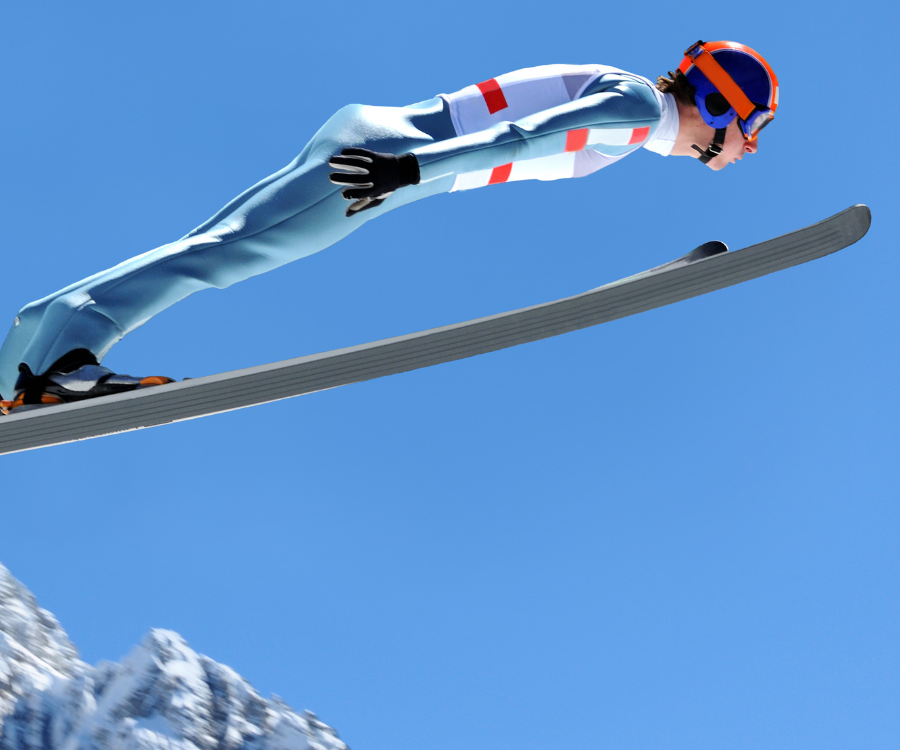
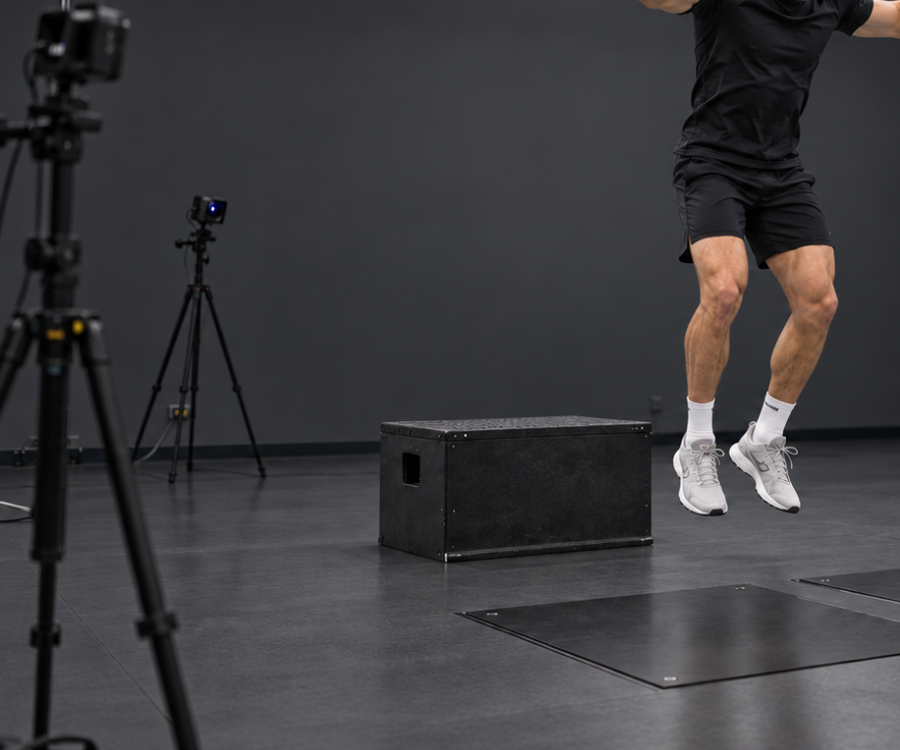
The moment right after a ski jumper leaves the takeoff table sets up everything that follows. Researchers from Hokusho University and Kobe University tracked 30 competitive ski jumpers, from junior to international level, using outdoor markerless motion capture to study how trunk, hip, and knee movement come together during this early flight phase. Rather than looking for one ideal technique, the team used a combination of statistical methods to ask a different question: how many distinct ways are athletes achieving the early flight transition from takeoff to stable flight, and how do they differ biomechanically?