




Summary
The Measurement Gap in Athlete Development
For decades, player development in baseball has operated in silos where velocity, bat speed, and strength are all tracked, but rarely connected in a meaningful way. These data points are almost never captured together in real training environments or over enough sessions to clearly understand cause and effect.
As a result, coaches are often making decisions based on an incomplete picture. For example, when a pitcher adds 2 mph, it is difficult to know whether that came from a mechanical change, a strength gain, or simply a good day. When a hitter stalls at 70 mph bat speed, there is no clear way to determine why the limitation is occurring.
This is exactly the problem Driveline set out to solve with its turnkey Launchpad program.
Link Jarrett, Head Coach at Florida State Baseball, discussing Florida State’s new pitching lab, alongside Kyle Boddy, Founder at Driveline on the Driveline Launchpad model
What This Collaboration Unlocks: Continuous Capture, Integrated Data
Launchpad is a high-intensity athlete development program that evaluates athletes across two sides of performance: mechanics (how the athlete moves) and physical ability (how much power and force they are capable of generating).
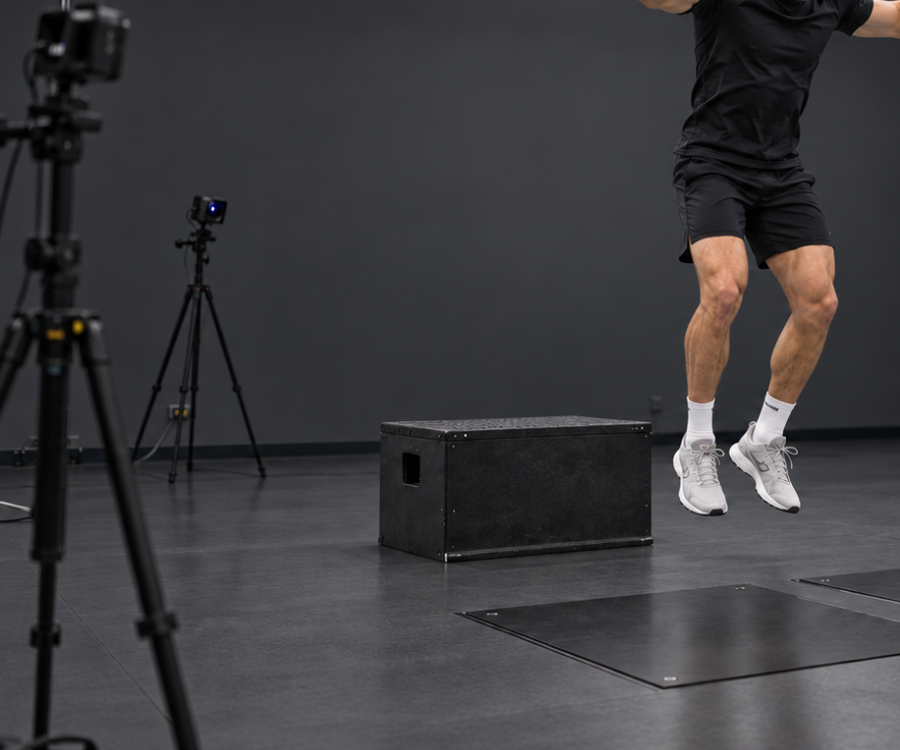
Using Theia3D, Driveline captures full-body biomechanics during real training sessions. Using common strength assessments alongside pitching and hitting assessments, Driveline can quantify how an athlete moves, how efficient those mechanics are, and what is limiting outputs like pitch velocity or bat speed.

The biomechanics assessment produces a mechanical score, along with a projected ceiling based on movement alone. For example, an athlete might be throwing 84 mph, but their estimated mechanical ceiling suggests they are capable of 87 mph if movement inefficiencies are addressed.
Secondly, through high performance assessments including force plate testing and strength profiling, Driveline measures force output, explosiveness, and overall physical capacity. This answers a different question:
“Is the gap between this athlete’s current output and their potential ceiling mechanical, physical, or both?”
The goal is simple: turn complex data into clear decisions about what an athlete needs next.
When you can answer that question with data, coaches are able to design training around an athlete’s specific limitations with full traceability so changes can be connected to outcomes, and to track athlete development across months of data to see what actually moved the needle.
Case Study: From Assessment > Prediction > Training > Outcome
What follows is one athlete’s data across a full training block, from the initial assessment that identified specific gaps, to the retest that showed what actually changed.

With the full mechanical and physical picture in hand, the training block had a clear direction. Mound work and weight room work ran in parallel, with the biomechanics system capturing movement continuously throughout.
Three months later, the athlete retested:

The retest report shows every metric alongside its change from the previous assessment. When the athlete retested in December, the report showed exactly what three months of integrated training had produced. The two categories that were flagged as targets in September both showed the biggest gains.
“We’ve always believed that data should drive training decisions, not just document them. Theia makes that possible in real training environments, at scale, without disrupting how we work.”
– Kyle Boddy, Founder, Driveline Baseball
“The future of player development is integrated. It’s not just biomechanics, and it’s not just strength and conditioning. It’s understanding how those factors influence one another and using this integrated approach to guide decisions.”
– Marcus Brown, CEO, Theia
The Standard for Player Development is Changing
Programs that build this infrastructure now will spend the next few years accumulating something most others won’t have: consistent, longitudinal athlete data tied directly to outcomes.
That’s not just a competitive edge. It’s the foundation for evidence-based player development at scale.
Ready to connect your systems?
If you’re building or scaling a player development program and want to understand what integrated biomechanics and physical performance data looks like in practice, let’s talk.
Learn more about Driveline Launchpad