

.png)

Summary
Q: How does markerless bat tracking work without any sensors?
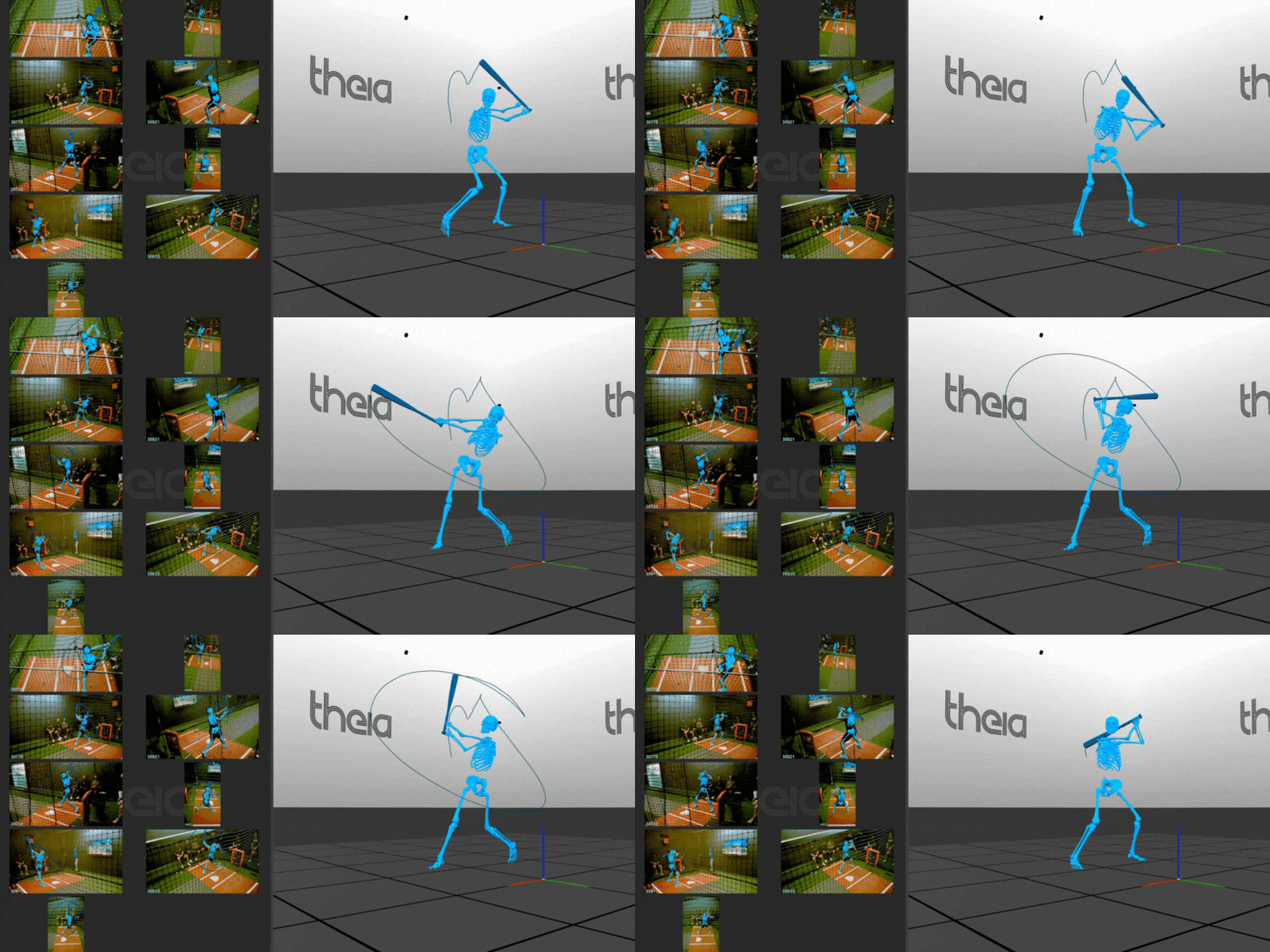
A: The system uses multiple high-speed video cameras to capture each swing from multiple angles, and advanced computer vision algorithms to quantify the movement of the bat in 3D. During a hitting session, set up the synchronized cameras around the hitter to film the swing from different angles. Theia3D then analyzes the footage using deep learning models to identify numerous key points on the athlete’s body and on the bat, including the handle base and barrel tip. By tracking these points throughout the entire movement, the bat’s complete 3D trajectory can be measured, alongside the batter’s full-body kinematics. In other words, it simultaneously captures the bat motion and the athlete’s motion, perfectly synced in time. All of this is done with no reflective markers on the athlete, and no sensors or chips on the bat. The system is essentially performing lab-grade motion capture using just video. The result is a detailed swing profile (e.g. bat speed, bat path, timing) linked with the player’s biomechanics, without having to alter the player’s natural routine by attaching any wearables or suits.
Q: What equipment or setup is required to use this system?
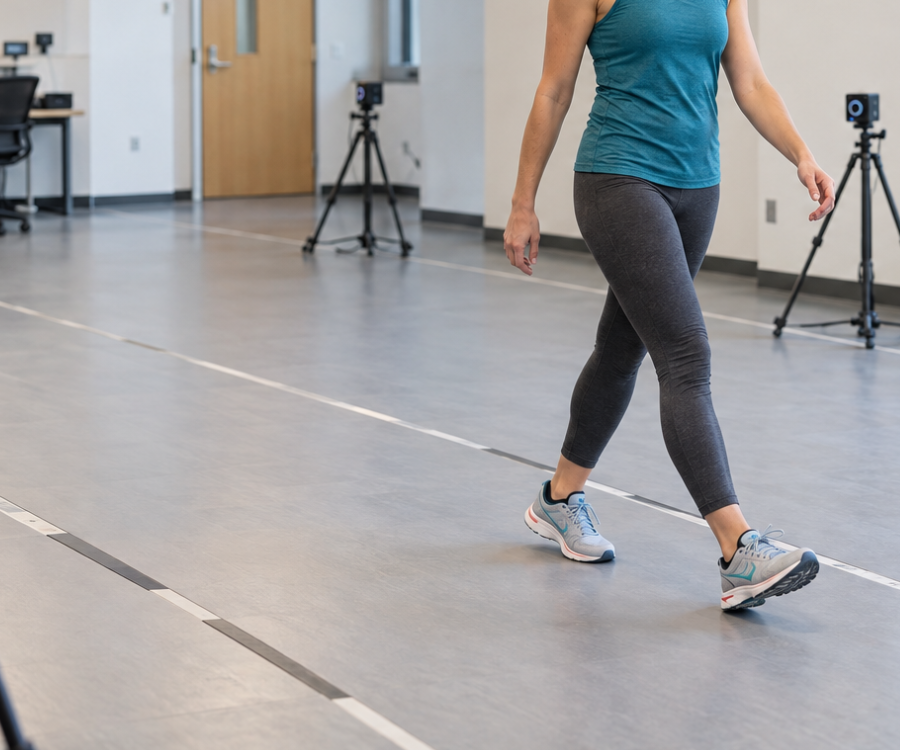
A: The markerless bat-tracking system requires no specialized hardware, just 8 or more high-speed cameras and a strong PC that meets our minimum requirements. Teams can use any supported off-the-shelf cameras (Sony RX0 II, Qualisys Miqus Video/Hybrid, FLIR Blackfly S via Vicon Nexus, Contemplas) or a custom synchronized multi-camera setup, as long as it meets our frame-rate and calibration requirements. In practice, teams use these high-speed video cameras placed around the hitter to cover the full swing from different viewpoints, to ensure both the hands and the bat’s tip remain visible throughout the swing. Because batting is a very fast movement, it’s important to use a high frame rate (300 fps or higher) and fast shutter speed so the bat isn’t blurry and the motion is captured clearly. Bright, even lighting is also recommended to improve visibility of the athlete and bat in the footage. On the software side, you’ll need the latest release of Theia3D with the Bat Tracking add-on module enabled. The workflow for a session is similar to other motion capture: calibrate the cameras in the space, record the swings, then load them into Theia3D for automatic processing. There’s no need for any markers, wearable IMUs, or instrumented bats – as long as you have a suitable training space (cage, field, or tunnel) and use cameras from Theia’s verified partner list, you have what’s required to capture swings with this markerless system.
Q: What does this system replace in our current workflow?
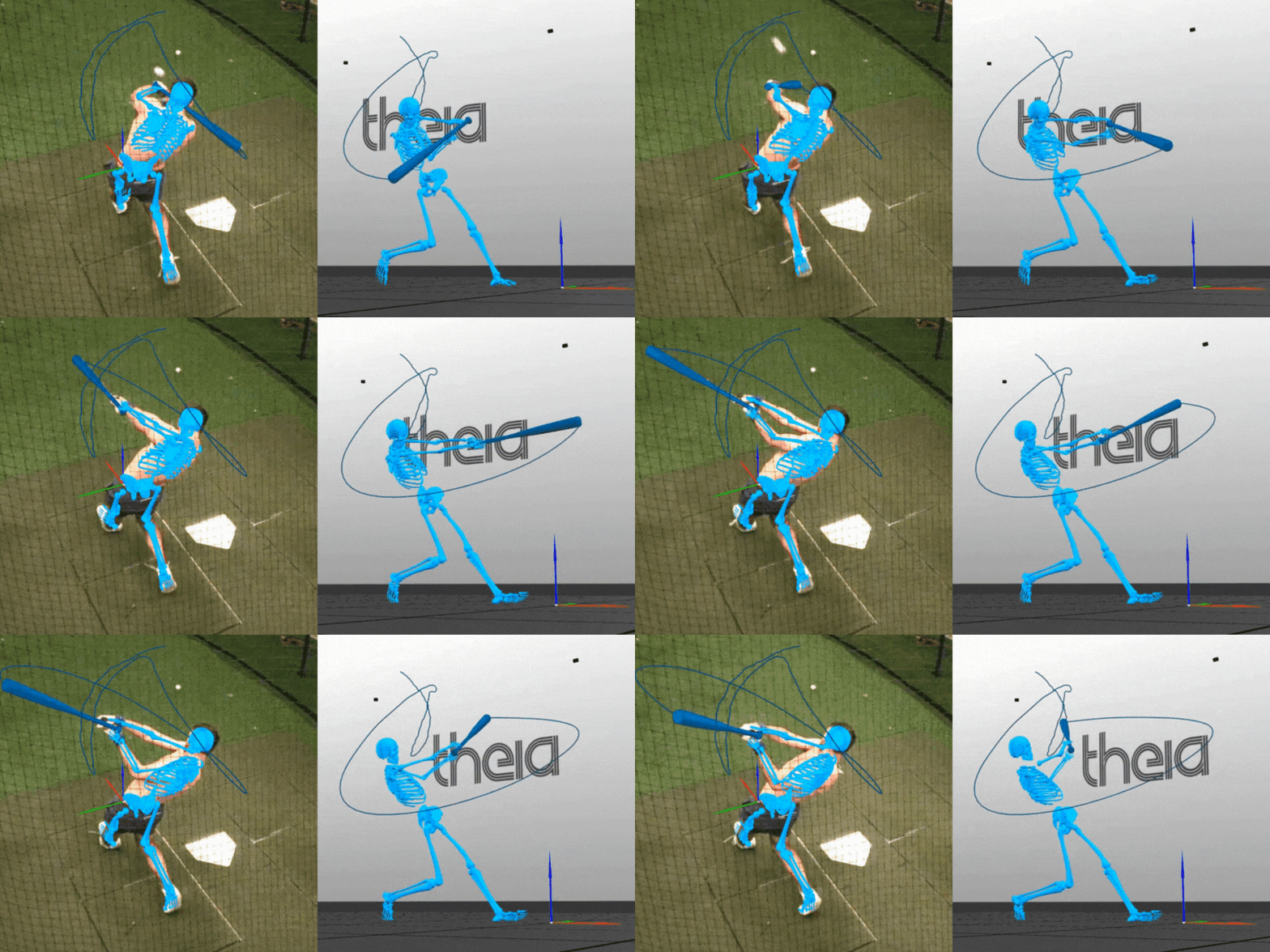
A: Markerless bat tracking doesn’t replace your existing workflow – it simplifies it. You can keep swings the same way you do now, but instead of needing a separate bat sensor or a second system dedicated to tracking the barrel and handle, Theia3D measures everything directly from your high-speed video. That means the bat’s 3D path, speed, angles, and timing are captured alongside the athlete’s biomechanics in a single, integrated process. There’s no need for instrumented bats, add-on sensors, or a parallel bat-tracking workflow. You still train in the cage or on the field exactly as you do today, using the athlete’s preferred bat and normal practice routine. Theia3D just adds synchronized bat-and-body data to what you are already collecting. In short, the workflow stays the same; you simply no longer need a separate system to measure the bat.
Q: How has it been validated? How do we know the data is accurate?
A: The accuracy of Theia’s markerless tracking is backed by a robust mix of scientific validation and real-world testing:
- Core System - Scientifically Validated: The core Theia3D platform has been vetted in over 50 peer-reviewed studies, including direct comparisons to gold-standard marker-based motion capture. These independent validations consistently show Theia3D’s full-body kinematics to be on par with traditional lab systems – resolving joint positions to within roughly a centimeter and joint angles within a few degrees of marker-based measurements. Beyond the lab, Theia3D is already used by hundreds of professional teams and elite athletes at the highest levels of sport.
- Bat Tracking - Early Validation: Leading partners in baseball biomechanics have already put bat tracking through real-world trials. Across 300+ athletes and more than 2,000 live swings, Theia’s bat-tracking module has demonstrated <3° bat-plane error and tight agreement with lab-grade reference systems.
And beyond baseball, dozens of studies by biomechanists and sports scientists (over 5 years of research) have used Theia3D across various movements, building a large body of evidence that backs the system’s accuracy and repeatability.
Q: How is this system different from using bat sensors or a stadium-based system?
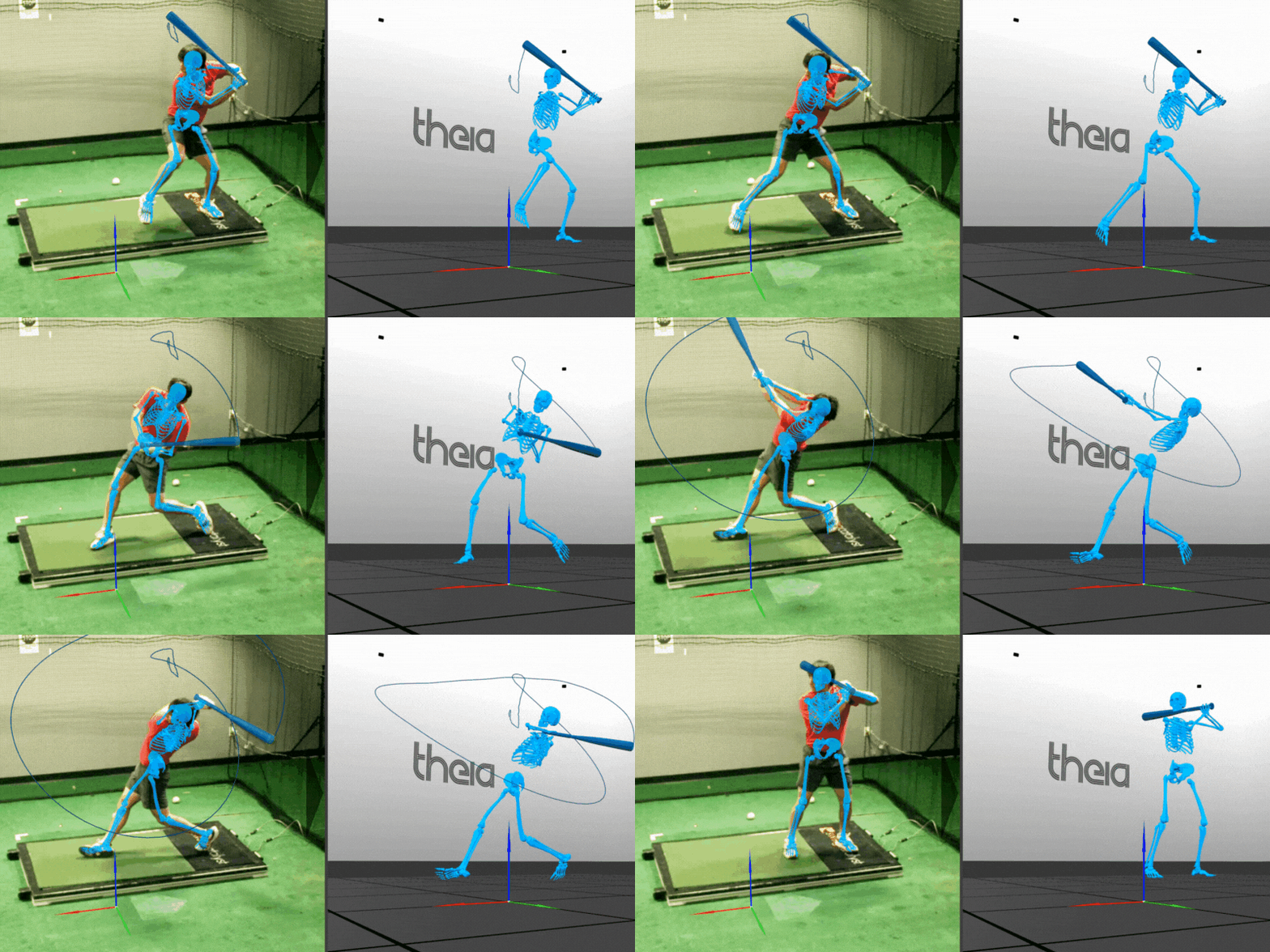
A: Great question – here’s a comparison:
- Bat-Mounted Sensors vs. Markerless: Bat sensors (like those attached to the knob or embedded in bats) can measure swing speed and some angles, but they have inherent limitations. Studies have found that wearable bat sensors’ swing speed measurements can deviate by around 8% and their swing angles have lower agreement compared to optical motion capture systems, especially for higher-speed swings. These systems, which typically rely on accelerometers and gyroscopes for their measurements, need to backtrack from these signals to obtain position and angle measurements – a process which can introduce errors, and can suffer from signal drift over time. In contrast, Theia’s markerless system directly measures the bat’s trajectory in 3D space using video – there’s nothing to calibrate on the bat itself, and no added weight or device that could alter a hitter’s feel. You get the bat position, angle, speed, acceleration and more, all in absolute terms, plus you simultaneously get the player’s body mechanics. Essentially, it’s like having a bat sensor and a full biomechanics lab at once, without changing anything about the athlete, their equipment, or the environment.
- Stadium Tracking Systems vs. Portable Setup: In-game tracking systems (such as the motion capture arrays installed in some MLB stadiums) are powerful but not portable. Those systems use a fixed network of high-speed cameras (or radar) in the stadium to track the ball, players, and sometimes bat motion during games. However, they are expensive, static installations – you can’t easily use HawkEye or similar setups in your daily practice environment. Theia’s markerless bat tracking, on the other hand, is designed to be deployed anywhere: in a batting cage, on the field, or in your training lab. It offers lab-quality data with just a few cameras and a PC, meaning you can bring pro-level swing analysis to practice rather than only relying on game-day data. Another difference is data access – with Theia, you own the raw data (bat path, joint angles, etc.) and can integrate it into your analysis workflow immediately. Stadium systems might give limited metrics or require waiting for post-game data feeds, whereas Theia’s system lets you capture and analyze swings on the spot. In short, Theia provides stadium-like tracking capabilities on a flexible, team-controlled setup. It’s more scalable for daily use – traditional optical systems are gold-standard for accuracy but lack flexibility and scalability for routine training, whereas markerless setups like Theia’s are built for quick deployment and high throughput in various settings.
- Other Markerless Video Systems: It’s worth noting that not all “markerless” motion capture solutions are equal. Most general-purpose markerless systems (or AI-pose estimation apps) focus on tracking the athlete’s body only, often using a limited number of tracking points – they cannot reliably track external objects like a rapidly moving bat. In fact, generic markerless algorithms are typically less suited for equipment tracking and very fast motions. Theia’s bat tracking is different because it was purpose-built to handle the bat: the software explicitly detects the player and bat, tracking 124+ points on the person and several points on the bat. The tracking algorithms are tuned for high-speed, ballistic motions like a swing, using specialized parameters to maintain accuracy despite the bat’s blur and acceleration. (For example, Theia allows different filtering cutoff frequencies to be applied to the bat and athlete, adjusting for the extreme speed of swings). This means Theia can capture the bat’s path and orientation throughout a pro-level swing – something you won’t get from a standard markerless motion app or a basic video analysis tool. In summary, Theia’s system occupies a unique spot: no other markerless motion capture solution currently offers this combination of full-body + bat tracking with proven accuracy in high-performing baseball settings.
Ready to see markerless bat tracking in action?
Book a Demo with Theia’s team to explore how this system can elevate your hitting analysis and player development. We’ll walk you through a live capture and answer any further questions specific to your environment. Get a hands-on look at the only markerless bat-and-body tracking solution validated at the professional level – and see how it can work in your cage or lab.
Book a demo today to take the next step in data-driven player development!